Tungabhadra River
5 Aug 2026
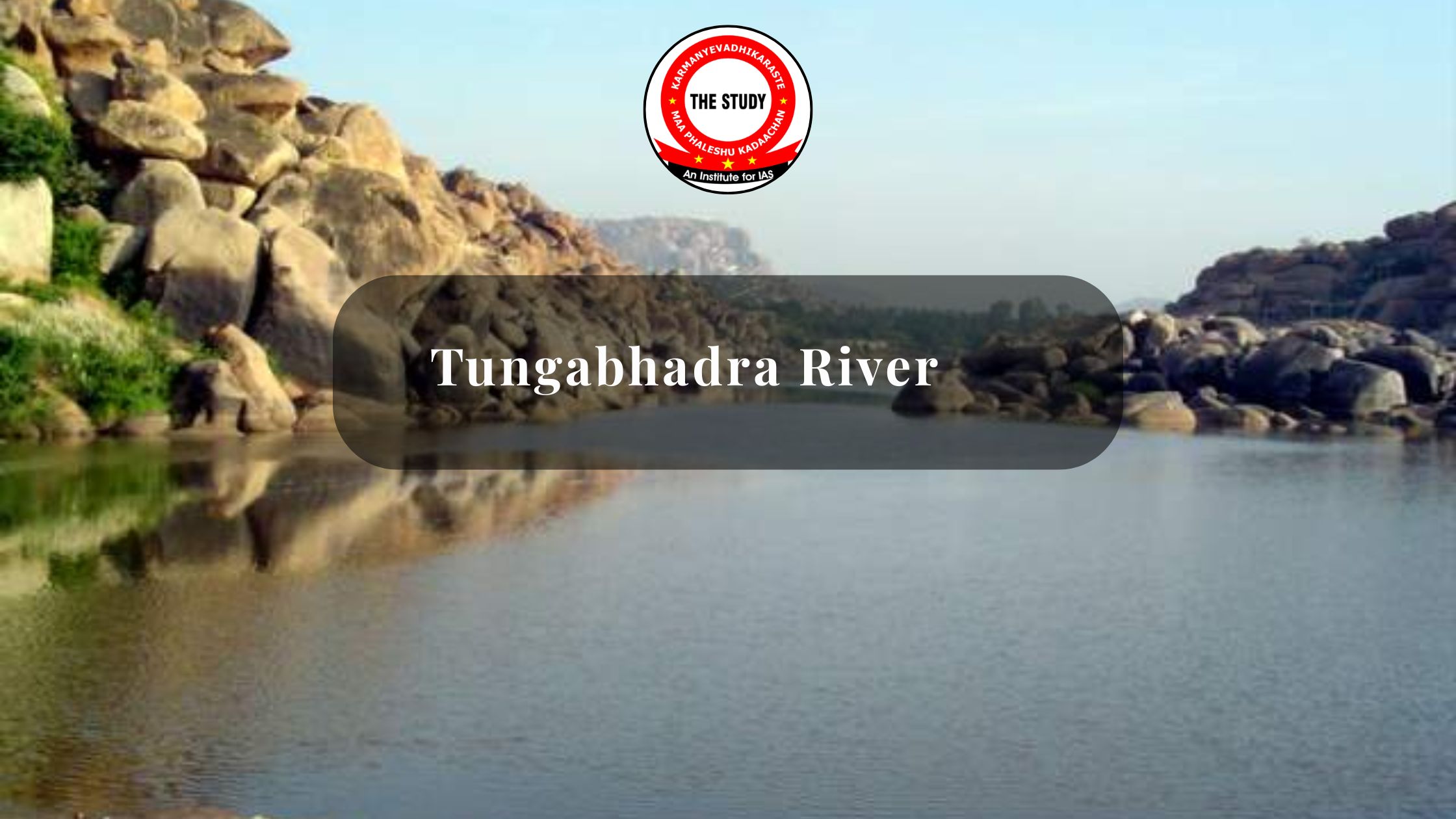
Tungabhadra River: Origin, Course, Tributaries, History, Dam, Importance, and Environmental Challenges
Introduction to the Tungabhadra River
The Tungabhadra River is one of the most important rivers in southern India and a major tributary of the Krishna River. Flowing through the states of Karnataka and Andhra Pradesh, it has shaped the region's history, agriculture, culture, and economy for centuries. Much like the Ganga in northern India symbolizes life and spirituality, the Tungabhadra River has served as a lifeline for millions of people living across the Deccan Plateau.
Beyond its geographical importance, the river is closely associated with the glorious Vijayanagara Empire, the UNESCO World Heritage Site of Hampi, and one of India's largest multipurpose river valley projects, the Tungabhadra Dam. It irrigates vast agricultural lands, supports hydroelectric power generation, supplies drinking water, and sustains rich biodiversity.
For students preparing for UPSC, State PCS, SSC, Railways, and other competitive examinations, the Tungabhadra River is an important geography topic because it frequently appears in questions related to Indian rivers, dams, irrigation projects, and historical landmarks. This comprehensive guide explores the river's origin, course, tributaries, historical importance, economic value, environmental challenges, and fascinating facts.
Origin and Course of the Tungabhadra River
Understanding the origin and journey of the Tungabhadra River is essential for appreciating its significance. Unlike many rivers that originate from a single source, the Tungabhadra is formed by the union of two distinct rivers - the Tunga and the Bhadra.
Formation of the River
The river derives its name from its two parent rivers:
- Tunga River
- Bhadra River
Both originate in the lush forests of the Western Ghats in Karnataka, one of the world's biodiversity hotspots. These rivers flow independently before meeting at Koodli, near Shivamogga district, where they merge to form the Tungabhadra River.
Source of the Tunga River
The Tunga River rises from the Gangamoola region in the Kudremukh range of the Western Ghats. It flows through scenic forests, coffee plantations, and temple towns before reaching Koodli.
The Tunga is known for its relatively gentle flow and supports several settlements along its banks.
Source of the Bhadra River
The Bhadra River also originates from Gangamoola, only a short distance from the Tunga's source. It passes through the Bhadra Wildlife Sanctuary, supporting rich biodiversity before joining the Tunga.
The Bhadra generally carries a larger volume of water, especially during the monsoon season.
Confluence at Koodli
The two rivers unite at Koodli, creating the mighty Tungabhadra River. This confluence is considered sacred and attracts pilgrims throughout the year.
Course of the River
After its formation, the river flows eastward through Karnataka and Andhra Pradesh.
Major districts along its course include:
- Shivamogga
- Davanagere
- Haveri
- Ballari
- Koppal
- Vijayanagara
- Kurnool (Andhra Pradesh)
Finally, the Tungabhadra joins the Krishna River near Sangameswaram in Andhra Pradesh.
The river stretches for approximately 531 kilometers, making it one of the longest tributaries of the Krishna.
Major Tributaries of the Tungabhadra River
Several smaller rivers and streams contribute to the Tungabhadra's flow, especially during the monsoon season.
Important Tributaries
- Vedavathi
- Hagari (Vedavati basin)
- Kumudvathi
- Varada (indirectly through the basin)
- Smaller seasonal streams
These tributaries expand the drainage basin and support irrigation across large parts of Karnataka and Andhra Pradesh.
Tungabhadra Dam
Among India's major river valley projects, the Tungabhadra Dam occupies a prominent place.
Location
The dam is located near Hospet (Hosapete) in Karnataka, close to the historic city of Hampi.
History of Construction
The project was developed after India's independence as a joint venture between Karnataka and Andhra Pradesh to improve irrigation, electricity generation, and flood control.
Construction began in the late 1940s and the dam was commissioned during the 1950s, becoming one of southern India's most significant multipurpose projects.
Major Features
The Tungabhadra Dam provides:
- Irrigation
- Hydroelectric power
- Flood moderation
- Drinking water supply
- Fisheries development
It supports agriculture across several drought-prone districts.
Irrigation Benefits
Water from the reservoir irrigates millions of hectares of farmland.
Major crops include:
- Paddy
- Cotton
- Sugarcane
- Groundnut
- Maize
- Sunflower
- Pulses
Without the Tungabhadra River, agriculture in many semi-arid regions would face severe challenges.
Hydroelectric Power Generation
The project also generates renewable electricity, reducing dependence on fossil fuels and supporting regional industrial development.
Historical and Cultural Significance
The Tungabhadra River is deeply intertwined with South India's rich cultural heritage.
The Vijayanagara Empire
The banks of the river witnessed the rise of the mighty Vijayanagara Empire during the 14th to 16th centuries.
The river acted as:
- A natural defensive barrier
- A source of drinking water
- An irrigation system
- A trade route
Its fertile plains contributed significantly to the prosperity of the empire.
Hampi – A UNESCO World Heritage Site
The magnificent ruins of Hampi, located on the southern bank of the Tungabhadra River, showcase one of the greatest civilizations in Indian history.
The landscape is characterized by:
- Massive granite boulders
- Ancient temples
- Stone chariots
- Royal enclosures
- Stepwells
- Market streets
The river enhances both the beauty and historical significance of this archaeological treasure.
Religious Importance
Several temples along the river attract pilgrims throughout the year.
Important pilgrimage sites include:
- Virupaksha Temple
- Navabrindavana
- Harihara
- Koodli Sangama
The river is regarded as sacred in many Hindu traditions.
Economic Importance of the Tungabhadra River
The Tungabhadra River plays a vital role in supporting livelihoods across southern India.
Agriculture
Irrigation canals from the Tungabhadra Dam have transformed dry lands into productive agricultural regions.
Farmers cultivate:
- Rice
- Cotton
- Millets
- Oilseeds
- Pulses
- Fruits
- Vegetables
Agriculture remains the largest beneficiary of the river.
Drinking Water Supply
The river supplies drinking water to numerous towns and villages across Karnataka and Andhra Pradesh, improving public health and supporting urban growth.
Fisheries
Reservoir fisheries provide employment opportunities while contributing to local food security and rural incomes.
Tourism
The river supports tourism through:
- Coracle rides
- Nature photography
- Religious tourism
- Heritage tourism
- Bird watching
Thousands of domestic and international tourists visit Hampi annually because of its unique riverside setting.
Industrial Development
Water from the river also supports industries such as steel, cement, textiles, and thermal power plants in the surrounding region.
Flora and Fauna Around the Tungabhadra River
The river basin supports a remarkable range of ecosystems.
Aquatic Biodiversity
Fish species include:
- Catfish
- Carp
- Mahseer
- Freshwater prawns
These species support local fisheries and ecological balance.
Birdlife
Wetlands around the river attract:
- Painted storks
- Kingfishers
- Herons
- Egrets
- Cormorants
- Spot-billed pelicans
Bird enthusiasts frequently visit these habitats during migratory seasons.
Wildlife
Protected forests near the basin shelter:
- Leopards
- Elephants
- Sloth bears
- Deer
- Wild boar
The Bhadra Wildlife Sanctuary plays a key role in conserving this biodiversity.
Environmental Challenges
Despite its immense importance, the Tungabhadra River faces several environmental threats.
Pollution
Untreated domestic sewage, industrial discharge, and agricultural runoff have degraded water quality in several stretches of the river.
Sand Mining
Illegal and excessive sand mining destabilizes riverbanks, destroys aquatic habitats, and alters the natural flow of the river.
Climate Change
Erratic rainfall, rising temperatures, and changing monsoon patterns affect reservoir levels and water availability for irrigation and drinking purposes.
Water Sharing Issues
As the river flows through multiple states, equitable water distribution remains a recurring challenge, especially during years of low rainfall.
Conservation Measures
Protecting the Tungabhadra River requires:
- Effective pollution control
- Sustainable irrigation practices
- Riverbank afforestation
- Regulation of sand mining
- Public awareness campaigns
- Efficient water management
A combination of policy interventions and community participation is essential to preserve the river for future generations.
Interesting Facts About the Tungabhadra River
- The Tungabhadra is formed by the confluence of the Tunga and Bhadra rivers.
- It is a major tributary of the Krishna River.
- The river flows for about 531 km.
- It passes through the historic city of Hampi.
- The Tungabhadra Dam is one of South India's largest multipurpose river projects.
- The river supports millions of people through irrigation, drinking water, and power generation.
- It originates in the biodiversity-rich Western Ghats.
Importance of the Tungabhadra River for Competitive Exams
The Tungabhadra River is frequently asked about in competitive examinations because of its geographical, historical, and economic significance.
Key points to remember:
- Origin: Western Ghats (Gangamoola region)
- Formation: Confluence of Tunga and Bhadra at Koodli
- States: Karnataka and Andhra Pradesh
- Major Dam: Tungabhadra Dam
- Historic Site: Hampi
- Tributary of: Krishna River
- Major Uses: Irrigation, hydropower, drinking water, fisheries, tourism
These facts are particularly relevant for UPSC, State PCS, SSC, Banking, Railways, and teaching examinations.
Conclusion
The Tungabhadra River is much more than a geographical feature, it is a river that has nurtured civilizations, sustained agriculture, powered industries, and preserved an extraordinary cultural heritage for centuries. From its picturesque origin in the Western Ghats to its confluence with the Krishna River, the Tungabhadra remains a symbol of life and prosperity in southern India. Its association with the Vijayanagara Empire, the architectural marvels of Hampi, and one of India's most significant multipurpose dam projects highlights its multidimensional importance.
At the same time, increasing environmental pressures remind us of the need for responsible conservation and sustainable water management. Protecting the Tungabhadra River is not only essential for the millions who depend on it today but also for preserving its ecological and historical legacy for generations to come.
Frequently Asked Questions (FAQs)
1. Where does the Tungabhadra River originate?
The Tungabhadra River is formed by the confluence of the Tunga and Bhadra rivers, both of which originate from the Gangamoola region in the Western Ghats of Karnataka.
2. Which states does the Tungabhadra River flow through?
The river primarily flows through Karnataka and Andhra Pradesh before joining the Krishna River.
3. Why is the Tungabhadra Dam important?
The Tungabhadra Dam is a major multipurpose project that provides irrigation, hydroelectric power, flood control, fisheries development, and drinking water to several districts in Karnataka and Andhra Pradesh.
4. Why is the Tungabhadra River historically significant?
The river was closely associated with the Vijayanagara Empire and flows beside Hampi, a UNESCO World Heritage Site known for its magnificent temples, monuments, and archaeological remains.
5. What are the major environmental challenges facing the Tungabhadra River?
The river faces challenges such as water pollution, illegal sand mining, climate change, declining water quality, habitat degradation, and interstate water-sharing issues, making sustainable conservation efforts increasingly important.
Comments (0)
Leave a Comment