Sutlej River
5 Aug 2026
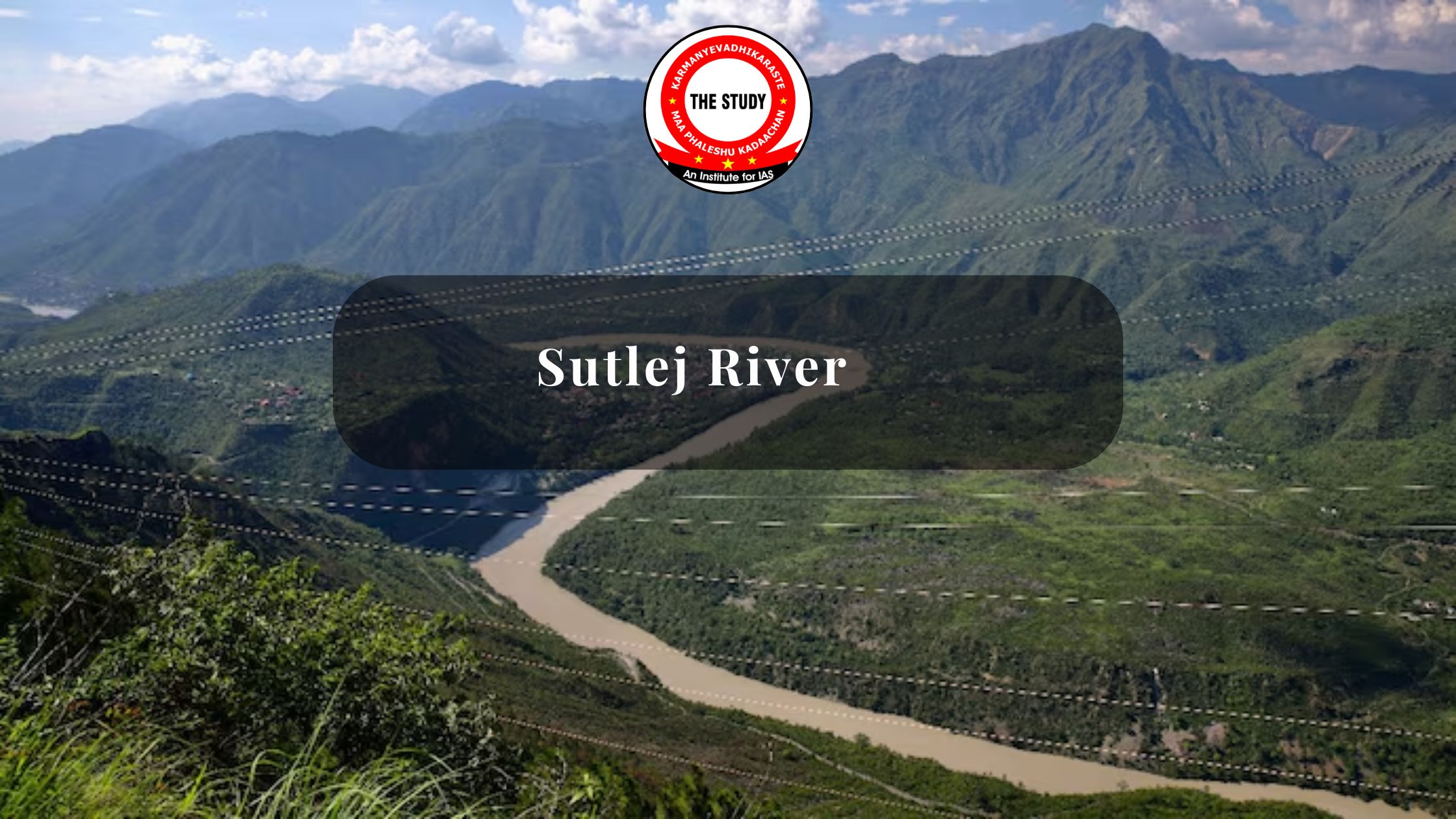
Sutlej River: Origin, Course, Tributaries, History, Dams, Importance, and Environmental Challenges
Introduction to the Sutlej River
The Sutlej River is one of the most significant rivers in the Indian subcontinent and the longest of the five rivers of Punjab. Flowing through the rugged Himalayan mountains, fertile plains, and international borders, the river has shaped civilizations, supported agriculture, generated hydroelectric power, and influenced history for thousands of years. Like a lifeline weaving together mountains and plains, the Sutlej River connects nature, culture, and economic development across multiple regions.
Originating in the Tibetan Plateau, the river travels through China (Tibet), India, and Pakistan before eventually joining the Indus River. Along its course, it nourishes millions of people, supports some of India's largest irrigation systems, and powers massive hydroelectric projects such as the Bhakra-Nangal complex. Its waters have transformed dry landscapes into productive agricultural fields, making it indispensable to the economy of northern India.
For students preparing for UPSC, State PCS, SSC, Railways, and other competitive examinations, the Sutlej River is a frequently tested topic under Indian Geography, Environment, and Current Affairs. This comprehensive guide explores every important aspect of the river, including its origin, course, tributaries, dams, historical significance, economic importance, environmental concerns, and examination relevance.
Origin and Course of the Sutlej River
Understanding the journey of the Sutlej River provides valuable insight into its geographical importance. The river follows a remarkable course through high-altitude plateaus, deep Himalayan gorges, fertile plains, and international river systems.
Source of the Sutlej River
The Sutlej River originates near Lake Rakshastal, close to the sacred Lake Manasarovar in the Tibet Autonomous Region of China. Its source lies at an elevation of over 4,500 meters above sea level in the Trans-Himalayan region.
Fed primarily by snowmelt and glaciers, the river begins as a swift mountain stream before gaining volume from numerous tributaries.
Entry into India
After flowing westward through Tibet, the river enters India through Shipki La Pass in the state of Himachal Pradesh. This pass serves as one of the important mountain gateways between India and Tibet.
As the river enters India, it cuts spectacular gorges through the Himalayan ranges, creating breathtaking landscapes and immense hydropower potential.
Course Through India
Within India, the Sutlej River flows through several important districts of Himachal Pradesh and Punjab.
Major regions along its course include:
- Kinnaur
- Shimla region (basin)
- Bilaspur
- Rupnagar (Ropar)
- Ludhiana basin
- Ferozepur
The river then crosses into Pakistan, where it continues its journey across the Punjab plains.
Confluence with the Beas River
One of the most important geographical features of the Sutlej River is its confluence with the Beas River near Harike in Punjab.
The Harike wetland, formed near this confluence, is one of northern India's most important ecological zones and a designated Ramsar Site known for its rich biodiversity and migratory bird populations.
Final Confluence with the Indus River
After entering Pakistan, the Sutlej joins the Chenab River (which later combines into the Panjnad system), and the combined waters eventually merge with the Indus River before reaching the Arabian Sea.
Major Tributaries of the Sutlej River
Although the Sutlej originates as a powerful Himalayan river, several tributaries contribute to its discharge along the way.
Important Tributaries
Major tributaries include:
- Spiti River
- Baspa River
- Nogli Khad
- Soan (regional streams)
- Numerous seasonal mountain torrents
The Spiti River is among the most significant tributaries, draining the cold desert region of Himachal Pradesh before joining the Sutlej.
These tributaries increase water availability, enhance sediment transport, and contribute to the river's extensive drainage basin.
Major Dams and Hydroelectric Projects on the Sutlej River
The Sutlej River has immense hydropower potential due to its steep gradient and perennial flow. Several landmark projects have been constructed to harness its energy and support irrigation.
Bhakra Dam
The Bhakra Dam is one of India's largest and most iconic multipurpose river valley projects. Built near Bilaspur in Himachal Pradesh, it created the massive Gobind Sagar Reservoir.
The dam serves multiple purposes:
- Irrigation
- Hydroelectric power generation
- Flood control
- Drinking water supply
Often referred to as the "Temple of Modern India," the Bhakra Dam transformed agriculture across Punjab, Haryana, and Rajasthan.
Nangal Dam
Located downstream of Bhakra Dam, the Nangal Dam regulates water released from the reservoir and forms an integral part of the Bhakra-Nangal Project.
Together, these structures have significantly improved irrigation and electricity generation in northern India.
Nathpa Jhakri Hydroelectric Project
The Nathpa Jhakri Hydroelectric Project is one of India's largest hydroelectric stations. Situated in Himachal Pradesh, it utilizes the fast-flowing waters of the Sutlej River to generate substantial amounts of renewable electricity.
This project plays an important role in meeting the power demands of several northern states.
Karcham Wangtoo Project
The Karcham Wangtoo Hydroelectric Project is another major run-of-the-river hydroelectric scheme built on the Sutlej.
It contributes significantly to India's renewable energy capacity while demonstrating the river's enormous hydropower potential.
Importance of Hydropower
The Sutlej River basin has become one of India's leading centers for hydroelectric development because of:
- Steep river gradients
- Perennial water flow
- Deep Himalayan valleys
- High rainfall and snowmelt contributions
These characteristics make the river ideal for clean energy generation.
Historical and Cultural Significance of the Sutlej River
The Sutlej River has witnessed the rise and fall of civilizations for thousands of years.
Ancient References
In ancient Sanskrit literature, the river was known as Shutudri or Satadru. It finds mention in the Rigveda, making it one of the oldest historically documented rivers in the Indian subcontinent.
Its historical significance extends far beyond geography, influencing trade, migration, and settlement patterns.
Connection with the Indus Civilization
Although the core urban centers of the Indus Valley Civilization flourished along the Indus and its associated river systems, the broader Indus basin—including regions influenced by the Sutlej, played an important role in supporting agriculture, trade, and human settlement.
Sikh History
The Sutlej River has deep cultural and historical connections with Sikh heritage. Several important towns, historical events, and religious sites are located within its basin, making it significant in the history of Punjab.
Colonial Irrigation Development
During British rule, an extensive canal network based on the Sutlej River was developed. These irrigation systems transformed Punjab into one of India's most productive agricultural regions and laid the foundation for later Green Revolution successes.
Economic Importance of the Sutlej River
The river is a cornerstone of economic development across northern India.
Agriculture
The extensive canal network originating from the Sutlej irrigates millions of hectares of farmland. Major crops include:
- Wheat
- Rice
- Sugarcane
- Cotton
- Mustard
- Maize
- Vegetables
Reliable irrigation has made Punjab and neighboring regions among India's leading agricultural producers.
Drinking Water Supply
The river supplies drinking water to numerous cities, towns, and villages across Himachal Pradesh and Punjab, supporting both urban and rural populations.
Industrial Development
Industries such as textiles, food processing, engineering, and manufacturing depend on the river for water supply and power generation.
Tourism
The Sutlej basin attracts visitors through:
- Scenic Himalayan valleys
- Gobind Sagar Lake
- Adventure sports
- Fishing
- Religious tourism
- Nature photography
The dramatic landscapes make the region a popular destination for eco-tourism.
Flora, Fauna, and Biodiversity
The river basin supports diverse ecosystems ranging from alpine environments to fertile plains.
Himalayan Vegetation
Upper catchment areas feature:
- Pine forests
- Cedar forests
- Alpine meadows
- Shrublands
These ecosystems play a vital role in soil conservation and water regulation.
Aquatic Biodiversity
The river supports several fish species and other aquatic organisms that contribute to local fisheries and ecological balance.
Birdlife
Wetlands and reservoirs associated with the Sutlej attract numerous resident and migratory birds, especially during winter.
Environmental Challenges Facing the Sutlej River
Despite its importance, the Sutlej River faces growing environmental pressures.
Pollution
Urban sewage, industrial effluents, and agricultural runoff have degraded water quality in certain stretches of the river.
Glacier Retreat
Climate change has accelerated the retreat of Himalayan glaciers that feed the river. This may alter seasonal river discharge patterns in the future.
Flooding
Heavy monsoon rainfall and glacial melt occasionally cause flooding, affecting downstream settlements and agricultural land.
Sedimentation
Large amounts of sediment carried by the river reduce reservoir storage capacity and affect the long-term efficiency of hydroelectric projects.
Conservation Measures
Protecting the Sutlej River requires:
- Better wastewater treatment
- Sustainable farming practices
- Watershed management
- Glacier monitoring
- Afforestation
- Efficient reservoir management
- Public participation in conservation efforts
Long-term planning is essential to balance development with ecological sustainability.
Interesting Facts About the Sutlej River
- The Sutlej is the longest river among the five rivers of Punjab.
- It originates near Lake Rakshastal, close to Lake Manasarovar in Tibet.
- It enters India through Shipki La Pass in Himachal Pradesh.
- The Bhakra Dam is built across the Sutlej River.
- The Gobind Sagar Reservoir is formed by the Bhakra Dam.
- The river eventually becomes part of the Indus River system.
- It is one of the most important rivers for irrigation and hydroelectric power generation in northern India.
Importance of the Sutlej River for UPSC and State PCS Exams
The Sutlej River is a high-priority topic for competitive examinations because it connects geography, environment, economy, and history.
Key facts to remember include:
- Source: Near Lake Rakshastal, Tibet
- Entry into India: Through Shipki La Pass
- States Covered in India: Himachal Pradesh and Punjab
- Major Tributary: Spiti River
- Important Dam: Bhakra Dam
- Major Reservoir: Gobind Sagar Reservoir
- Confluence: Joins the Beas River at Harike and later becomes part of the Indus River system
- River System: Indus Basin
These facts are frequently tested in UPSC, State PCS, SSC, Railways, CDS, NDA, and other competitive examinations.
Conclusion
The Sutlej River is much more than a river flowing through the Himalayas and Punjab—it is a symbol of natural wealth, historical continuity, and economic prosperity. From its high-altitude origin in Tibet to its role in the Indus River system, the Sutlej has sustained civilizations, powered industries, irrigated millions of hectares of farmland, and shaped the cultural identity of northern India. Landmark projects like the Bhakra-Nangal Dam have transformed agriculture and energy production, while the river's ecological richness continues to support diverse wildlife and human communities. However, challenges such as pollution, glacier retreat, climate change, and sedimentation highlight the urgent need for sustainable management. Preserving the Sutlej River is essential not only for environmental balance but also for ensuring water, food, and energy security for future generations.
Frequently Asked Questions (FAQs)
1. Where does the Sutlej River originate?
The Sutlej River originates near Lake Rakshastal, close to Lake Manasarovar in the Tibet Autonomous Region of China at an elevation of more than 4,500 meters above sea level.
2. Which states does the Sutlej River flow through in India?
After entering India through Shipki La Pass, the river flows through Himachal Pradesh and Punjab before entering Pakistan.
3. Which is the most famous dam built on the Sutlej River?
The Bhakra Dam is the most famous and one of India's largest multipurpose river valley projects. It creates the Gobind Sagar Reservoir and provides irrigation, hydroelectric power, flood control, and drinking water.
4. Which river joins the Sutlej River in Punjab?
The Beas River joins the Sutlej River near Harike in Punjab. After flowing into Pakistan, the Sutlej eventually becomes part of the larger Indus River system.
5. Why is the Sutlej River important for competitive exams?
The Sutlej River is frequently asked in UPSC, State PCS, SSC, Railways, and other examinations because of its origin, course, tributaries, dams, hydropower projects, historical significance, irrigation network, and role in the Indus River system.
Subscribe to our Youtube Channel for more Valuable Content – TheStudyias
Download the App to Subscribe to our Courses – Thestudyias
The Source’s Authority and Ownership of the Article is Claimed By THE STUDY IAS BY MANIKANT SINGH
Comments (0)
Leave a Comment