Lord Cornwallis
18 Aug 2026
Lord Cornwallis: Reforms, Permanent Settlement & Legacy in India
Introduction
Lord Charles Cornwallis (1738–1805) was one of the most influential Governor-Generals in the early history of British India. He served as the Governor-General and Commander-in-Chief of Bengal from 1786 to 1793, and briefly returned to India in 1805. Cornwallis is best remembered for introducing major administrative, judicial, civil service, police, and land revenue reforms that laid the foundation of British colonial administration in India.
Among all his measures, the Permanent Settlement of Bengal (1793) remains the most significant and frequently asked topic in UPPSC, UPSC, State PCS, SSC, and other competitive examinations. His reforms transformed the East India Company from a trading organization into a more structured territorial administration.
Many historians describe Cornwallis as the "Father of Civil Services in India" because he reorganized the Company's services, increased salaries, and attempted to reduce corruption. However, his policies also strengthened colonial control and favored landlords over peasants.
For aspirants preparing Modern Indian History, Lord Cornwallis is important because his administration connects themes such as British expansion, land revenue systems, administrative reforms, judicial changes, police organization, and colonial economy.
Lord Cornwallis: Reforms, Policies, Legacy & Exam Relevance
What was the background of Lord Cornwallis and when did he serve in India?
Lord Cornwallis was born in 1738 in England and belonged to an aristocratic family. Before coming to India, he had served in the British Army and participated in the American War of Independence.
He became the Governor-General of Bengal in 1786, succeeding John Macpherson (acting Governor-General). He served until 1793, after which he returned to England. He came back to India briefly in 1805 but died shortly after arriving.
His tenure coincided with a crucial phase in British expansion, when the East India Company sought to establish a stable administrative system over its newly acquired territories.
What were the major administrative reforms introduced by Cornwallis?
Cornwallis believed that corruption among Company officials weakened British administration. To address this, he introduced several reforms:
- Increased salaries of Company officials.
- Prohibited private trade by officials.
- Reduced opportunities for corruption.
- Introduced merit-based appointments for higher posts.
- Strengthened administrative efficiency.
However, higher administrative positions remained largely reserved for Europeans, excluding Indians from important posts.
These reforms laid the foundation of the modern civil service system in India. Therefore, Cornwallis is often called the Father of Civil Services in India.
What was the Cornwallis Code?
One of Cornwallis's greatest contributions was the Cornwallis Code of 1793.
This code reorganized:
- Revenue administration
- Judiciary
- Civil services
- Police system
The main features included:
Separation of powers:
Revenue officials were separated from judicial functions.
Judicial reforms:
A hierarchy of courts was established:
- Munsifs
- District Courts
- Provincial Courts
- Sadar Diwani Adalat
- Sadar Nizamat Adalat
Rule of law:
The Company attempted to create a more regular legal system.
These reforms became the basis of the colonial judicial structure in India.
What was the Permanent Settlement of 1793?
The Permanent Settlement, introduced in 1793, was Cornwallis's most important reform.
It was implemented mainly in:
- Bengal
- Bihar
- Odisha
Under this system:
- Zamindars were recognized as landowners.
- Revenue demand was fixed permanently.
- Zamindars paid revenue to the government.
- Peasants cultivated land under zamindars.
The British believed this system would:
- Ensure stable revenue.
- Create a loyal landlord class.
- Promote agricultural improvement.
However, historians point out several problems:
- Peasants faced exploitation.
- Revenue demands remained high.
- Many zamindars lost lands due to default.
- Agricultural productivity did not improve significantly.
The Permanent Settlement remains one of the most important land revenue systems in Indian history.
What reforms did Cornwallis introduce in the police system?
Cornwallis reorganized policing to strengthen British control.
Major changes included:
- Establishment of police stations (Thanas).
- Appointment of Darogas.
- Division of districts into police jurisdictions.
Before Cornwallis, policing was largely managed by zamindars. After his reforms, it became a state-controlled function.
This marked the beginning of a more organized police administration in colonial India.
What was Cornwallis's role in foreign policy and wars?
Cornwallis followed a policy of expanding British influence.
The most important event during his tenure was:
Third Anglo-Mysore War (1790–1792)
This war was fought between:
- British East India Company
- Hyderabad
- Marathas
against:
- Tipu Sultan of Mysore
The war ended with the:
Treaty of Seringapatam (1792)
Under the treaty:
- Tipu Sultan ceded territory.
- Paid a large indemnity.
- Gave hostages to the British.
This weakened Mysore and strengthened British power in South India.
What are the criticisms of Cornwallis's reforms?
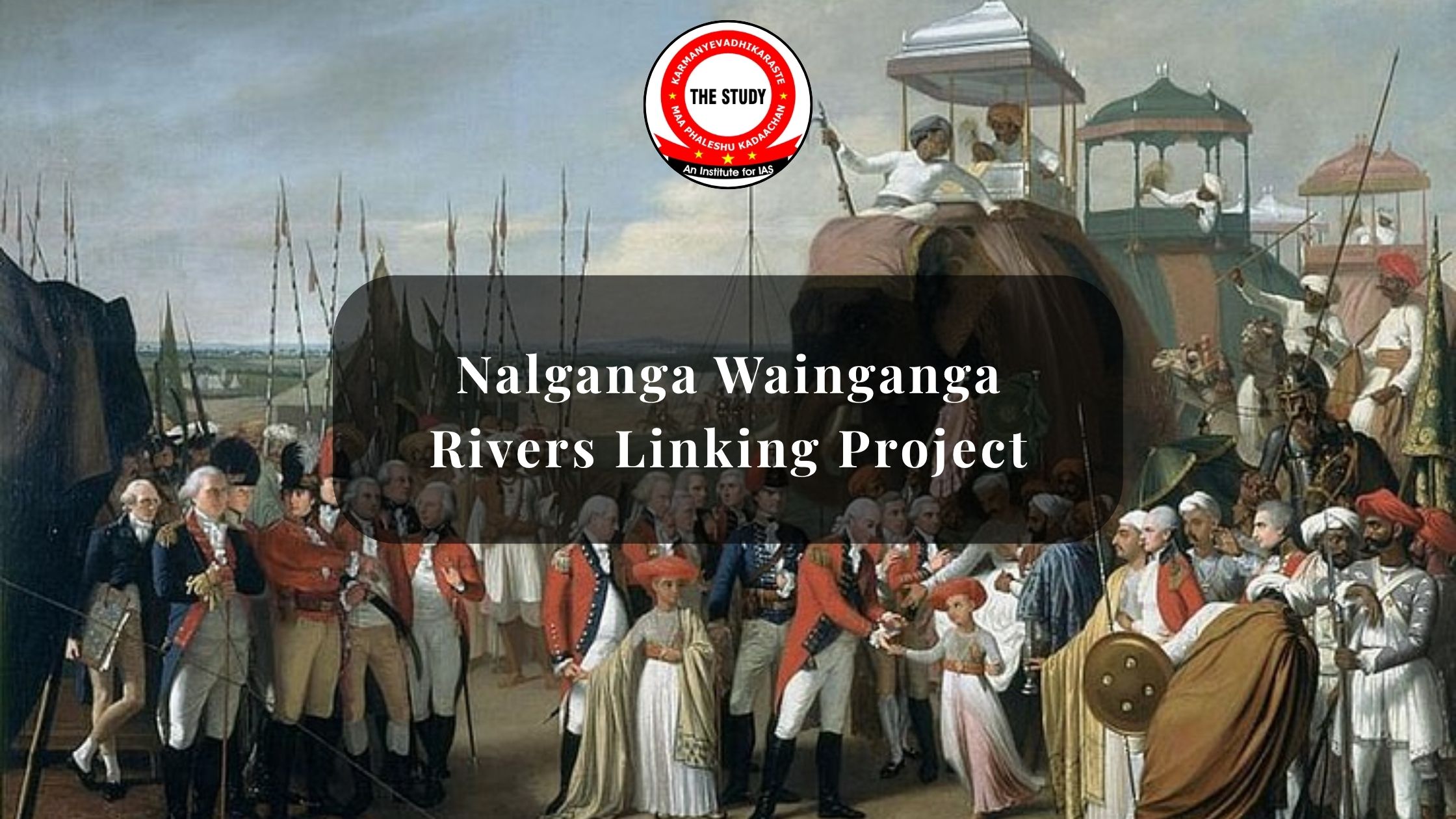
Although Cornwallis introduced several reforms, historians also criticize his policies.
Major criticisms include:
- Exclusion of Indians: Higher administrative posts remained reserved for Europeans.
- Permanent Settlement problems: It benefited zamindars more than peasants.
- Colonial interests: Reforms primarily aimed to strengthen British rule.
- Land inequalities: The system increased rural exploitation.
Thus, Cornwallis should be studied both as a reformer and as an architect of colonial administration.
Why is Lord Cornwallis important for UPPSC and other competitive exams?
Lord Cornwallis is highly important for:
- UPPSC
- UPSC
- BPSC
- SSC
- State PCS
- Teaching examinations
Questions generally cover:
- Permanent Settlement
- Cornwallis Code
- Civil Service reforms
- Police reforms
- Judicial reforms
- Third Anglo-Mysore War
Aspirants should connect Cornwallis with broader themes of:
- Colonial administration
- Revenue systems
- Judicial institutions
- British expansion
Previous Year Exam-Oriented Points
- Permanent Settlement was introduced in 1793.
- Cornwallis is known as the Father of Civil Services in India.
- The Cornwallis Code reorganized administration and judiciary.
- Revenue and judicial functions were separated.
- Police reforms included the creation of Thanas.
- The Third Anglo-Mysore War ended with the Treaty of Seringapatam (1792).
- Permanent Settlement mainly applied to Bengal, Bihar, and Odisha.
- Higher civil services remained dominated by Europeans.
FAQs
1. Who was Lord Cornwallis?
Lord Cornwallis was the Governor-General of Bengal (1786–1793) who introduced major administrative and revenue reforms.
2. Why is Lord Cornwallis famous?
He is famous for the Permanent Settlement of 1793 and civil service reforms.
3. What was the Permanent Settlement?
It was a land revenue system that fixed government revenue permanently and recognized zamindars as landowners.
4. Why is Cornwallis called the Father of Civil Services in India?
Because he reorganized the East India Company's services and introduced measures to reduce corruption.
5. Which war took place during Cornwallis's tenure?
The Third Anglo-Mysore War (1790–1792).
6. What was the Cornwallis Code?
It was a set of administrative, judicial, police, and revenue reforms introduced in 1793.
7. Why is Lord Cornwallis important for UPPSC?
Questions on Permanent Settlement, Cornwallis Code, and British administrative reforms are frequently asked in competitive examinations.
Subscribe to our Youtube Channel for more Valuable Content – TheStudyias
Download the App to Subscribe to our Courses – Thestudyias
The Source’s Authority and Ownership of the Article is Claimed By THE STUDY IAS BY MANIKANT SINGH